Our exclusive shirts

"Bring energy, learning, and 110% inspiration to any room with our limited-edition 'What Does Dewey Does Do? ABC Sports Poster' — now available FREE with any purchase of a Toddler or Youth Dewey Does Tee (while supplies last)!" Learn. Move. Dew 110%.m

IAADDK - Team Does | 15 hours ago

The Secret Life of Brave Kids

Every parent knows one.

The kid who climbs first.

Volunteers first.

Puts their hand up first.

The one who looks at something difficult and says, "I'll try."

From the outside, they seem fearless.

Like they were born that way.

Like confidence just showed up one day and decided to stay.

But that's not how building confidence in children works.

Not even close.

Brave kids get scared too

Here's a secret.

Brave kids feel nervous.

They get butterflies.

They worry they'll get it wrong.

They wonder if they'll fail.

The difference is what happens next.

While some kids let those feelings stop them, brave kids learn how to move forward anyway.

That's the real secret behind building confidence in children.

Confidence isn't the absence of fear.

It's action despite it.

Confidence comes after the jump

Parents often think confidence comes first.

It doesn't.

Most kids don't feel confident before they try something new.

They feel uncertain.

Awkward.

Unsure.

Then they try.

And something interesting happens.

They survive.

Maybe they succeed.

Maybe they don't.

But they discover they're capable of handling the experience.

That's how building confidence in children really works.

Action first.

Confidence second.

The playground teaches more than we think

Watch kids at a playground.

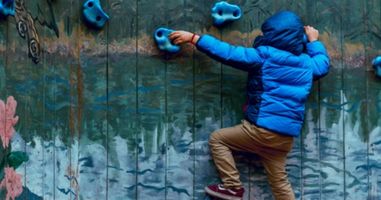
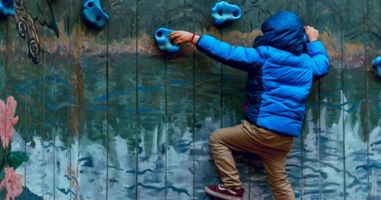
One child climbs halfway up the structure and stops.

The next visit, they climb a little higher.

The visit after that, they're at the top.

Nothing magical happened.

They simply collected evidence.

Evidence that they could do hard things.

That's why movement matters so much when it comes to building confidence in children.

Every climb.

Every jump.

Every attempt.

They're all confidence deposits.

The problem with rescuing too quickly

Parents love their kids.

That's why we rush in.

We help.

We fix.

We solve.

But sometimes we accidentally steal the very thing we're trying to build.

Because confidence grows when kids figure things out themselves.

The journey of building confidence in children requires a little struggle.

Not overwhelming struggle.

Just enough challenge for kids to discover they're stronger than they thought.

Sport is a confidence factory

This is one reason sport is so powerful.

Kids miss shots.

Lose games.

Fall over.

Get things wrong.

And then they keep going.

Every practice becomes another opportunity for building confidence in children.

Not because they win every time.

Because they learn they don't need to.

The child who keeps trying despite mistakes is often developing more confidence than the child who finds everything easy.

What brave kids hear

The words adults use matter.

A lot.

Instead of:

"Be careful."

Try:

"Give it a go."

Instead of:

"Don't fall."

Try:

"You've got this."

Parents play a huge role in building confidence in children because kids borrow our belief before they develop their own.

Sometimes confidence starts with someone else believing first.

Final thoughts

People see brave kids and assume confidence came naturally.

It didn't.

It was built.

One attempt.

One challenge.

One "watch this" moment at a time.

That's the secret life of brave kids.

They aren't fearless.

They've simply learned something powerful.

The scary things usually become less scary once you try them.


For more tips and tricks, feel free to contact us or read our Dewey Does blog. Don’t forget, if your whole family want to look amazing while you’re out there living your best life, we make a whole range of inspiring novelty tees that can add a touch of fun and color. Speaking of fun and color, be sure to check out our super cool interactive logo!

While you’re here, we’d love to hear what you have to say about kids sports moments Drop us your two cents below.

Hi, Team Does. I get all my sports news and updates from my friend Tommy Ommy, host of Straight from the Basement Sports Podcast. Be sure to follow him wherever you get your podcasts, and check out his YouTube channel for sports news and conversations - Dewey.

Fighting childhood obesity since 2006

Let’s create what matters — together.

IAADDK - Team Does

More Posts

The Fastest Way to Make a Kid Hate SportsThe Fastest Way to Make a Kid Hate Sports
The Fastest Way to Make a Kid Hate Sports

Nobody signs their kid up for sport hoping they'll quit.

Nobody buys the uniform.

Pays the registration fee.

Spends half their Saturday driving across town.

And thinks, "I really hope they hate this by next season."

And yet...

It happens all the time.

A child who once couldn't wait for practice suddenly doesn't want to go.

The kid who used to kick a ball around the backyard stops touching it altogether.

So what changed?

More often than not, the problem isn't sport.

It's what happened to the fun.

And that's exactly why keeping sports fun for kids matters so much.

Your Kid Is Copying You. Good Luck.Your Kid Is Copying You. Good Luck.
Your Kid Is Copying You. Good Luck.

Kids are weird.

You can tell them to clean their room twenty-seven times.

Nothing happens.

You casually say a word you're not supposed to say once in traffic...

And suddenly they're repeating it for three weeks.

Funny how that works.

The truth is, kids are always watching.

Always.

And when it comes to healthy habits for children, what they see matters a whole lot more than what they hear.

The After-School Mistake Almost Every Parent MakesThe After-School Mistake Almost Every Parent Makes
The After-School Mistake Almost Every Parent Makes

School finishes.

The backpacks hit the floor.

The shoes come off.

And before you know it, your child is face-first in a screen, a snack, or the couch.

Sound familiar?

You're not alone.


In fact, it's probably one of the most common after school routine for kids mistakes parents make.


The funny thing is that it feels completely reasonable.

School is exhausting, right?

Kids have been learning all day. They've been sitting in class. Following instructions. Navigating friendships. Solving problems.

Of course they need to relax.

But here's where things get interesting.

Many kids aren't physically tired after school.

They're mentally tired.

And those are two very different things.